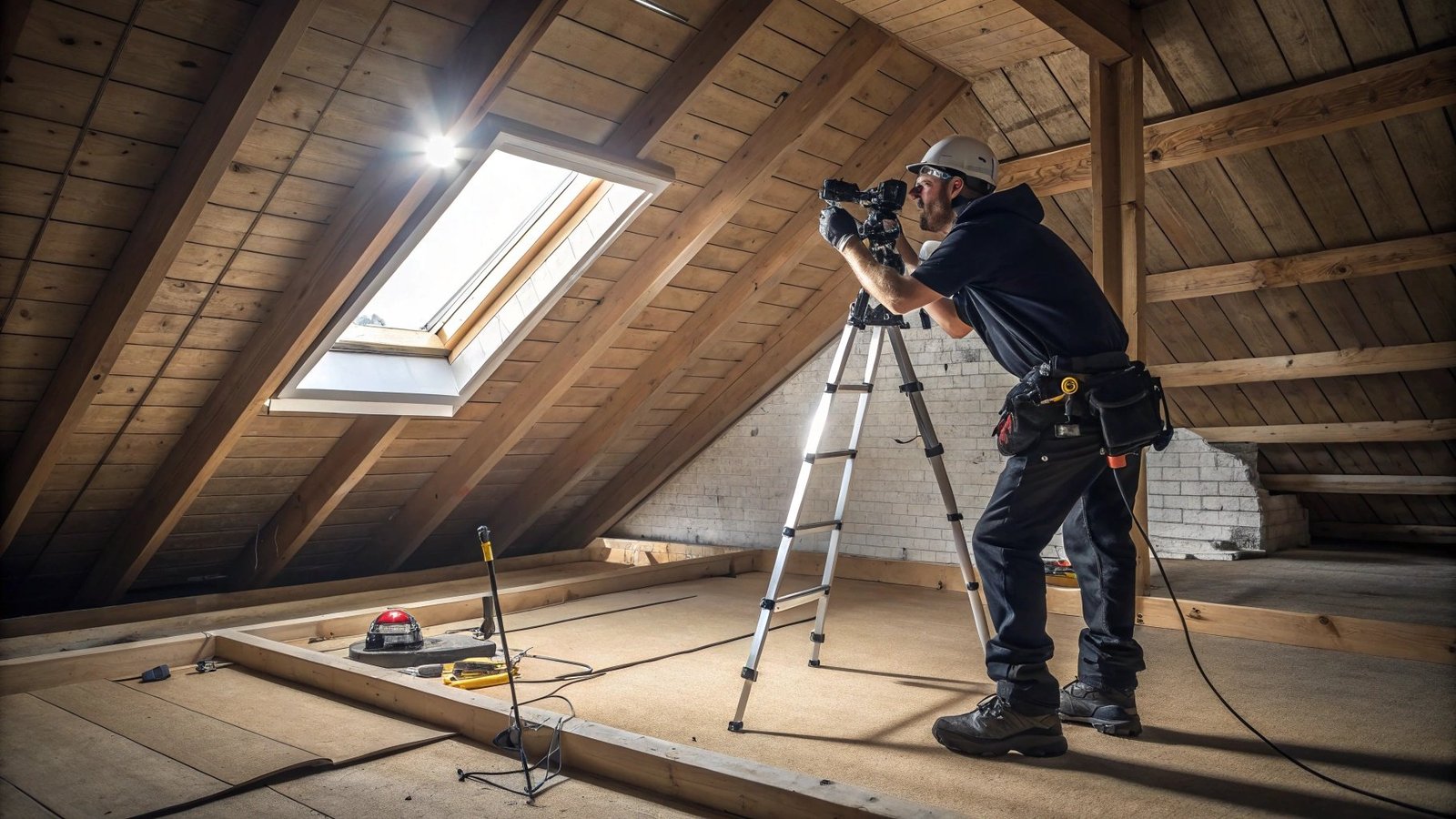
Your roof is your property's first line of defense against Dorset's weather. From wind-driven rain sweeping in from the Jurassic Coast to winter storms battering properties throughout Weymouth and Dorchester, roofs face constant challenges. As RICS chartered surveyors at Weymouth Surveyors, roof inspection forms a crucial part of every building survey we conduct. This comprehensive guide explains the common roof problems we encounter in Dorset properties and what they mean for homeowners and buyers.
Understanding roof issues helps property owners maintain their homes effectively and helps buyers make informed decisions about potential purchases. Whether you're buying a property in Weymouth or maintaining your existing Dorset home, this guide provides essential information about roof problems and their solutions.
Why Dorset Roofs Face Unique Challenges
Properties in Weymouth, Dorchester, and across Dorset face particularly demanding conditions affecting roof performance and longevity.
Coastal Weather Exposure: Properties near Weymouth seafront and along the Jurassic Coast endure salt-laden winds, driving rain horizontally against roofs with considerable force. This exposure accelerates deterioration of roof coverings, fixings, and vulnerable details like flashings and valleys.
Wind Speeds: Coastal locations experience higher average wind speeds than inland areas. Strong winds lift tiles and slates, damage ridge details, and stress roof structures. Storm damage is common after severe weather events, requiring regular post-storm inspections.
Age of Building Stock: Dorset has substantial period building stock. Many properties in Weymouth and Dorchester feature roofs that are 80+ years old, approaching or exceeding typical slate and tile roof lifespans. While well-maintained older roofs can last considerably longer, age inevitably brings increased maintenance needs.
Heritage Considerations: Listed buildings and properties in conservation areas require using appropriate traditional materials and techniques for roof repairs. This can make maintenance more expensive but is essential for preserving Dorset's architectural heritage.
Common Roof Covering Problems
During building surveys across Weymouth and Dorset, our chartered surveyors regularly encounter specific roof covering issues. Understanding these problems helps property owners recognize when professional inspection is needed.
Slipped or Missing Slates and Tiles
This is perhaps the most visible roof problem. Individual slates or tiles slip out of position or fall completely, leaving gaps in the roof covering that allow water penetration.
Causes: Original fixings corrode over time, particularly on older roofs where iron nails were used. This "nail sickness" allows slates to slip. Wind damage during storms can dislodge tiles or slates, especially if original fixings have weakened. In coastal Weymouth properties, salt-laden air accelerates fixing corrosion.
Implications: Even small gaps allow rainwater to penetrate underlying felt or sarking, potentially causing rot in roof timbers and damage to ceilings below. Single slipped tiles may seem minor but often indicate wider fixing problems affecting multiple tiles.
Solutions: Individual tiles or slates can be replaced relatively inexpensively if caught early. However, if slippage is widespread, comprehensive re-fixing or complete roof renewal may be necessary. Our building surveys assess whether localized repairs suffice or whether wholesale roof works are approaching necessity.
Cracked or Broken Roof Covering
Tiles and slates crack or break due to age, impact damage, or frost action. Concrete tiles become porous with age, absorbing water that freezes in winter, causing cracks.
Assessment: During surveys, we examine roof coverings from ground level using binoculars and, where accessible, inspect from inside roof spaces. The extent of cracking helps determine remaining roof life and whether repairs or renewal are needed.
Repair or Replace: Limited damage can be repaired by replacing individual tiles or slates. Extensive cracking across large roof areas suggests coverings are nearing the end of their serviceable life, warranting budget planning for eventual replacement.
Ridge and Hip Tile Issues
Ridge tiles running along roof peaks and hip tiles on sloping roof edges are particularly vulnerable to weather exposure and wind damage.
Common Problems: Mortar bedding deteriorates, allowing ridge tiles to become loose or displaced. In severe cases, ridge tiles can blow off during storms. Weymouth and coastal Dorset properties face particular vulnerability due to high wind exposure.
Repointing Requirements: Ridge and hip tiles require periodic repointing as mortar weathers. This maintenance task is relatively straightforward but essential for preventing more serious problems. Our surveys identify when repointing is due, helping property owners budget for necessary maintenance.
Roof Structure and Timber Problems
Beneath roof coverings, timber structures support the entire roof. Problems with roof timbers can be serious, requiring professional assessment during building surveys.
Timber Decay and Rot
Roof timbers can suffer from wet rot or dry rot if exposed to persistent moisture. Common causes include historic roof leaks, inadequate ventilation, or water ingress through defective flashings.
Identification: During roof space inspections, we probe accessible timbers to assess structural adequacy. We look for water staining, fungal growth, and evidence of historic or ongoing leaks. Soft, spongy timber or visible fungal fruiting bodies indicate active decay requiring attention.
Treatment: Limited rot can sometimes be treated by eliminating moisture sources and treating affected timbers. Extensive decay may require significant structural repairs including timber replacement. The cost implications vary dramatically depending on extent and location of affected timbers.
Woodworm and Insect Infestation
Roof timbers in older Dorset properties often show evidence of historic woodworm infestation. The common furniture beetle creates characteristic flight holes in timber surfaces.
Active vs Historic: Most woodworm evidence in older properties represents historic attacks no longer active. Fresh, light-colored bore dust and clean-edged flight holes suggest active infestation. Our surveyors assess whether treatment is necessary based on infestation activity and structural timber condition.
Treatment Decisions: Active infestations in structural timbers warrant treatment to prevent further damage. However, extensive chemical treatment of entire roof spaces may be unnecessary if infestation is limited or inactive. Professional assessment helps ensure proportionate responses.
Sagging Roof Lines
Visible sagging or dipping in roof lines can indicate structural problems with roof timbers, inadequate original construction, or overloading from excessively heavy roof coverings.
Assessment: Not all roof irregularity indicates serious problems. Many older Dorset properties have slightly uneven roof lines that have been stable for decades. Our surveys distinguish between historic settlement and ongoing structural movement requiring intervention.
Structural Solutions: Significant sagging may require structural strengthening, potentially involving additional timbers, steel reinforcement, or other engineering solutions. Structural engineers provide detailed assessments when surveys identify concerning roof structure issues.
Flashing and Weatherproofing Issues
Flashings seal junctions between roofs and other building elements like chimneys, walls, and valleys. These vulnerable details require careful maintenance to prevent water ingress.
Chimney Flashings
Flashings around chimneys frequently deteriorate, particularly on older properties throughout Weymouth and Dorchester. Lead flashings can crack or become dislodged. Mortar fillets, an inferior alternative to lead, crack and fall away, leaving gaps for water penetration.
Inspection Points: We examine chimney flashings carefully during surveys, looking for cracks, gaps, inadequate upstands, or missing sections. Binoculars allow detailed examination from ground level, though some defects only become apparent from close inspection in roof spaces.
Renewal: Defective flashings require renewal using appropriate materials. Lead remains the best flashing material for most situations, though proper installation is essential. Heritage properties may require specific materials and techniques respecting building character.
Valley Gutters
Valley gutters, where two roof slopes meet, channel substantial water volumes. Lead-lined valleys in older properties can crack or develop holes over time. Inadequate or damaged valley linings cause serious leaks affecting large roof areas.
Common Problems: Lead valleys develop pinhole leaks or cracks. Felt or modern valley constructions can fail prematurely if inadequately installed. Blocked valleys from leaf accumulation cause water backup and potential penetration.
Maintenance and Repair: Valley gutters require regular clearing to prevent blockages. Failed valley linings need renewal, typically involving significant work including removing and replacing roof coverings adjacent to valleys. Our surveys identify valley condition, recommending action as necessary.
Roof Covering Types in Dorset Properties
Understanding different roof covering types common in Weymouth and Dorset helps property owners recognize appropriate maintenance approaches and potential issues.
Natural Slate Roofs
Many period properties feature natural slate roofs. Quality slate properly maintained can last 100+ years. However, even the best slate eventually requires replacement as fixings corrode and slate degrades.
Dorset Slate Sources: Historically, Dorset properties used Welsh slate or local slate sources. Quality varies significantly between different slate quarries and eras. Our surveys assess slate condition and remaining life.
Maintenance Needs: Regular inspection and prompt replacement of damaged slates helps maximize roof life. When widespread fixing failure occurs, complete re-fixing or renewal becomes necessary.
Clay Tile Roofs
Clay tiles are durable roof coverings common on Victorian and Edwardian properties throughout Dorset. Quality clay tiles can last 70-100 years or more with proper maintenance.
Common Issues: Like slate, tile roofs suffer fixing deterioration over time. Tiles can crack from frost action if they become porous with age. Ridge tiles require periodic repointing to maintain weather resistance.
Concrete Tile Roofs
Many post-war properties in Weymouth feature concrete tile roofs. While economical, concrete tiles have shorter lifespans than clay or slate, typically 50-60 years.
Aging Characteristics: Concrete tiles become increasingly porous with age, absorbing more water and becoming vulnerable to frost damage. Surface coatings deteriorate, reducing weather resistance. Older concrete tile roofs may require replacement relatively soon, important information for property buyers.
Flat Roof Problems
While less common for main roofs, many Dorset properties have flat roofs over extensions, dormer windows, or bays. Flat roofs present particular challenges and typically require more frequent replacement than pitched roofs.
Common Flat Roof Issues: Felt roofs split, blister, or lose covering stone chippings. Puddle formation indicates inadequate falls. Failed joints or penetrations allow water ingress.
Lifespan Considerations: Traditional felt flat roofs typically last 15-25 years. Modern systems including EPDM rubber or GRP fiberglass offer improved durability. Our surveys assess flat roof condition and remaining life, essential information for purchase decisions and maintenance planning.
Guttering and Drainage
While technically separate from roofs, rainwater goods are crucial for roof protection. Defective gutters cause water saturation of walls and potential timber rot.
Common Problems: Blocked gutters overflow during heavy rain. Cracked or corroded gutters leak. Inadequate downpipe capacity or blocked drains cause water backup. Coastal Weymouth properties face accelerated corrosion of metal gutters from salt exposure.
Maintenance: Regular gutter clearing, typically twice annually, prevents most blockage problems. Periodic inspection identifies deteriorating gutters before they fail completely, allowing planned replacement rather than emergency repairs.
When to Call Surveyors
Property owners should arrange professional roof inspections in several situations:
Buying Property: Comprehensive building surveys include thorough roof assessments, identifying problems before purchase. This information helps negotiate prices or avoid problematic purchases.
Suspected Problems: Water staining on ceilings, damp in roof spaces, or visible external damage warrants professional inspection identifying causes and necessary remedial work.
After Storms: Following severe weather events, professional roof inspections identify damage requiring repair, supporting insurance claims if necessary.
Periodic Maintenance: Even without obvious problems, periodic professional inspections identify developing issues before they become serious, potentially saving significant repair costs through early intervention.
Conclusion
Roofs are complex building elements requiring regular maintenance and periodic significant investment. Understanding common roof problems in Dorset properties helps owners maintain their homes effectively and helps buyers make informed purchase decisions.
At Weymouth Surveyors, roof inspection forms an integral part of every building survey we conduct throughout Weymouth, Dorchester, and across Dorset. Our chartered surveyors' experience with local roof types, coastal exposure challenges, and period property requirements ensures comprehensive assessments identifying all relevant issues.
If you're concerned about your roof's condition, buying property in Dorset, or need professional roof assessment, contact our team for expert surveying services. Our detailed inspections and comprehensive reports provide the information you need to maintain your property effectively or make confident purchase decisions.
Concerned About Your Dorset Property's Roof?
Get professional roof assessment from experienced RICS chartered surveyors across Weymouth and Dorset
Book Roof Inspection