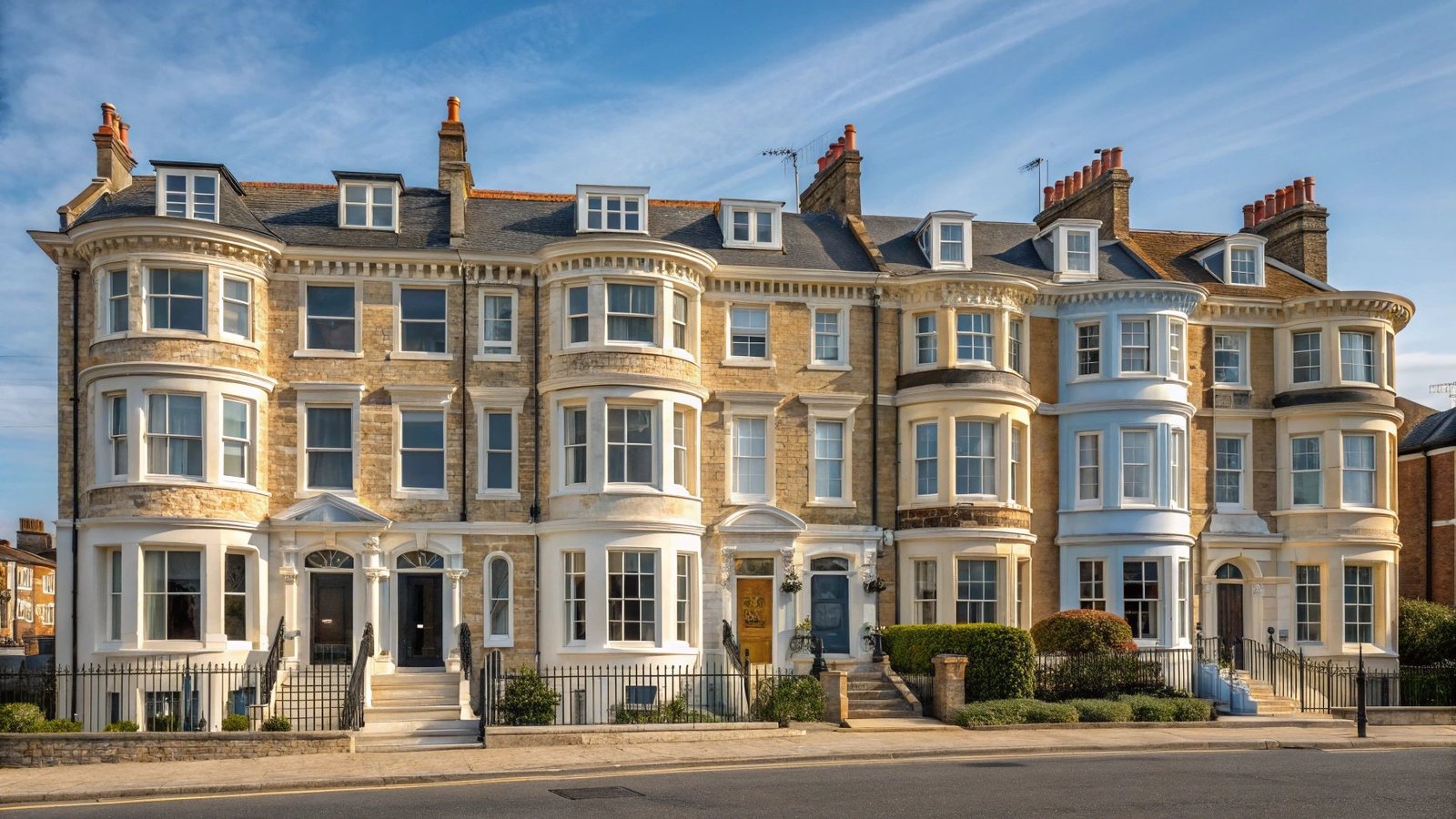
Period properties in Weymouth and Dorchester possess a character and charm that modern homes simply cannot replicate. From elegant Georgian townhouses along Weymouth's seafront to Victorian villas in Dorchester's conservation areas, these historic buildings represent some of the most desirable properties in the region. However, buying a period property requires careful consideration and expert surveying to ensure your dream home doesn't become a financial burden.
As RICS chartered surveyors at Weymouth Surveyors, we've conducted hundreds of building surveys on period properties throughout Dorset. This comprehensive guide shares our expertise to help you make informed decisions when purchasing Georgian, Victorian, or Edwardian properties in the area.
Understanding Period Properties in Weymouth
Weymouth's architectural heritage reflects its history as a fashionable Georgian resort town. King George III's visits made Weymouth one of England's first seaside resorts, leading to extensive development during the late 18th and early 19th centuries. The elegant terraces along the Esplanade showcase this Georgian legacy, while Victorian expansion added substantial villas and terraced housing throughout the town.
Georgian Properties (1714-1830): These properties are characterized by symmetrical facades, sash windows, classical proportions, and restrained decoration. Weymouth's Georgian buildings often feature local Portland stone or rendered facades. Construction typically used solid walls (no cavity), lime mortar, and traditional timber roof structures. Many Georgian properties have been subdivided into flats, though some retain their original single-dwelling layout.
Victorian Properties (1837-1901): The Victorian era brought varied architectural styles from early Victorian simplicity to elaborate late Victorian decoration. Weymouth and Dorchester expanded significantly during this period. Victorian properties often feature bay windows, decorative brickwork, slate roofs, and more ornate detailing than Georgian predecessors. Later Victorian buildings sometimes incorporated cavity walls, representing early modern construction techniques.
Edwardian Properties (1901-1910): Edwardian homes combined Victorian craftsmanship with Arts and Crafts influences. These properties typically show simpler decoration than late Victorian buildings while maintaining quality construction. Features include larger windows for better light, improved sanitation, and more practical layouts reflecting changing lifestyles.
Common Issues in Period Properties
Our chartered building surveyors regularly encounter specific issues during surveys of period properties in Weymouth and throughout Dorset. Understanding these common problems helps you assess potential purchases realistically.
Structural Movement and Settlement
Period buildings often show signs of historic structural movement. Dorset's varied geology means foundation conditions differ significantly across the region. Properties built on clay soils may experience seasonal movement, while those near the coast can suffer from ground conditions affected by historic sea level changes.
Not all structural movement is problematic. Many period properties have moved and settled over decades or centuries, reaching equilibrium. Our surveyors differentiate between historic movement that has stabilized and ongoing issues requiring remedial work. Cracks in walls, uneven floors, and doors that stick can indicate movement, but professional assessment determines whether these represent serious structural concerns or merely cosmetic issues common in old buildings.
Damp Problems
Dampness is perhaps the most common issue in period properties. Traditional construction methods used porous materials designed to "breathe," allowing moisture to evaporate naturally. Problems arise when these buildings are inappropriately maintained or modified using modern impermeable materials.
Rising Damp: Properties built before 1875 typically lack damp-proof courses. Later buildings may have slate or bitumen DPCs that have failed or been bridged by raised ground levels. Our surveyors use moisture meters to identify genuine rising damp, distinguishing it from other moisture sources.
Penetrating Damp: Solid wall construction in Georgian and early Victorian properties makes them vulnerable to penetrating damp during heavy rainfall. Failed pointing, cracked render, or defective rainwater goods allow water ingress. Coastal properties in Weymouth face particular challenges from wind-driven rain and salt weathering.
Condensation: Modern improvements like double glazing and central heating, while beneficial, can trap moisture in traditionally breathable buildings. Adequate ventilation becomes crucial to prevent condensation problems in period properties.
Roof Issues
Period property roofs typically feature slate or clay tile coverings on traditional timber structures. After 100+ years, roof timbers may show signs of beetle infestation or rot, particularly if ventilation has been inadequate or leaks have occurred. Slate roofs can develop "nail sickness" where original fixings corrode, causing slates to slip.
Our building surveys include careful roof space inspection where accessible, examining timber condition, checking for evidence of leaks, and assessing ventilation adequacy. External roof examination identifies failed or slipped tiles, damaged flashings, and deteriorating pointing to ridge tiles.
Timber Decay and Infestation
Period properties contain substantial structural timber in floors, roofs, and sometimes wall frames. Woodworm (furniture beetle) is common in old timber, though active infestations are less prevalent than evidence of historic attacks. More concerning is wet rot or dry rot, which can cause serious structural damage if left untreated.
Our surveyors inspect accessible timbers for signs of decay or infestation. We probe suspicious areas to assess structural adequacy and recommend specialist timber surveys when concerns arise. Understanding the difference between historic woodworm that poses no current threat and active infestation requiring treatment is crucial for proportionate responses.
Outdated Services
Period properties often retain old electrical installations, lead plumbing, or antiquated heating systems. While these may function, they pose safety risks or efficiency concerns. Modern building regulations require upgrading when properties are substantially renovated, and insurance companies may refuse cover for properties with very old electrical installations.
Our surveys identify service installations requiring attention, recommending specialist testing where appropriate. Budgeting for service upgrades is often necessary when buying period properties, particularly those that haven't been comprehensively modernized.
Special Considerations for Weymouth Period Properties
Properties in Weymouth face unique challenges due to coastal location and historic development patterns. Our local knowledge helps identify area-specific issues during surveys.
Salt Weathering: Properties near Weymouth seafront suffer accelerated deterioration from salt-laden air. Salt crystals forming within masonry and render cause spalling and cracking. Regular maintenance using appropriate materials is essential for coastal period properties.
Listed Buildings: Many period properties in Weymouth's conservation areas are listed buildings. Listed status protects architectural and historic interest but imposes restrictions on alterations and repairs. Any work requiring consent must use appropriate traditional materials and techniques. Our surveyors understand conservation principles, providing advice respecting buildings' historic significance while addressing practical maintenance needs.
Subdivision and Conversion: Many larger Georgian and Victorian properties in Weymouth have been converted into flats. While creating more affordable period property access, conversions can introduce complications. Shared responsibilities for structural maintenance, roof repairs, and external decoration require clear legal agreements. Our surveys assess conversion quality and identify issues affecting individual flats or entire buildings.
The Importance of Specialist Surveys
Period properties in Weymouth absolutely require comprehensive Level 3 building surveys rather than basic homebuyer reports. The detailed investigation provided by Level 3 surveys is essential for understanding traditional construction, identifying defects, and planning appropriate remedial works.
Our chartered building surveyors bring specialist knowledge of period construction methods, traditional materials, and appropriate repair techniques. We understand how these buildings were designed to function and can distinguish between issues requiring urgent attention and minor defects that are simply characteristics of old buildings.
The survey report describes construction methods, assesses condition comprehensively, explains the significance of defects found, and provides realistic cost estimates for necessary repairs. This information proves invaluable for negotiating purchase prices, planning renovation budgets, and prioritizing maintenance work.
What to Budget Beyond Purchase Price
Buying a period property in Weymouth requires realistic budgeting beyond the purchase price. While exact costs vary depending on property condition, typical additional expenses include:
Survey Costs: Level 3 building surveys for period properties typically cost £800-£1,500 depending on size and complexity. This represents excellent value given the detailed information provided and potential savings from identifying major issues before purchase.
Immediate Repairs: Survey findings often reveal urgent repairs needed shortly after purchase. Budget £5,000-£20,000 for addressing immediate concerns in typical period properties, though seriously neglected buildings may require substantially more.
Ongoing Maintenance: Period properties require more maintenance than modern homes. Annual maintenance budgets of 1-2% of property value help keep period buildings in good condition, preventing minor issues becoming major problems.
Energy Efficiency Improvements: Period properties are often less energy-efficient than modern homes. However, improvements must respect traditional construction. Appropriate measures include secondary glazing rather than replacement windows, breathable insulation materials, and efficient heating systems. Budget £10,000-£30,000 for sympathetic energy improvements.
Living with Period Property Character
Period properties bring both benefits and compromises. Understanding what to expect helps ensure you'll be happy with your purchase decision.
Character Features: Original features like fireplaces, ceiling roses, cornicing, and timber flooring add enormous character. However, these features require appropriate maintenance and can be damaged by inappropriate repairs or modifications.
Quirky Layouts: Period properties weren't designed for modern lifestyles. Room layouts may seem impractical, bathrooms and kitchens could be oddly located, and storage might be limited. Consider whether you can live with these quirks or whether sympathetic alterations are possible.
Lower Ceilings: Older properties often have lower ceiling heights than modern buildings, particularly in upper floors. This can make rooms feel smaller and limit furniture options.
Energy Costs: Solid wall construction and single glazing mean period properties are harder and more expensive to heat than modern homes. While improvements help, you'll likely face higher energy bills than in newly built properties.
Maintenance Requirements: Period properties need regular attention. External painting, gutter clearing, repointing, and roof maintenance are ongoing requirements. Owners who enjoy caring for historic buildings find this rewarding, while those preferring low-maintenance properties may find it burdensome.
Making the Right Purchase Decision
Armed with comprehensive survey information and realistic expectations, you can make informed decisions about buying period properties in Weymouth. Consider these factors:
Condition vs Cost: Properties requiring substantial work may seem attractively priced, but renovation costs can exceed initial savings. Compare purchase price plus likely repairs against prices of similar properties in better condition.
Your Skills and Interests: If you're handy and enjoy DIY, you might undertake some maintenance yourself. If you prefer employing contractors, factor professional costs into budgets.
Future Plans: Consider how long you plan to own the property. Major renovation projects take time and money but increase value and enjoyment if you're staying long-term. If planning to move soon, extensive works may not be financially sensible.
Professional Advice: Don't rely solely on survey reports. Consult specialists for detailed assessments of specific concerns. Structural engineers, damp specialists, and timber treatment experts provide focused expertise for major issues.
Conclusion
Period properties in Weymouth and Dorchester offer beautiful homes with character and charm modern buildings cannot match. However, these historic buildings require informed buyers who understand traditional construction, common issues, and ongoing maintenance needs. Comprehensive Level 3 building surveys from experienced chartered surveyors are essential for making sound purchase decisions.
At Weymouth Surveyors, our extensive knowledge of period properties throughout Dorset ensures you receive expert advice tailored to these special buildings. We understand traditional construction methods, appropriate repair techniques, and local challenges faced by period properties in coastal locations.
If you're considering buying a period property in Weymouth, Dorchester, or anywhere across Dorset, contact our team for professional surveying services. Our detailed surveys provide the information you need to proceed with confidence or negotiate better terms based on realistic repair costs.
Planning to Buy a Period Property?
Get expert survey advice from chartered surveyors specializing in Georgian and Victorian buildings across Weymouth and Dorset
Book Your Survey