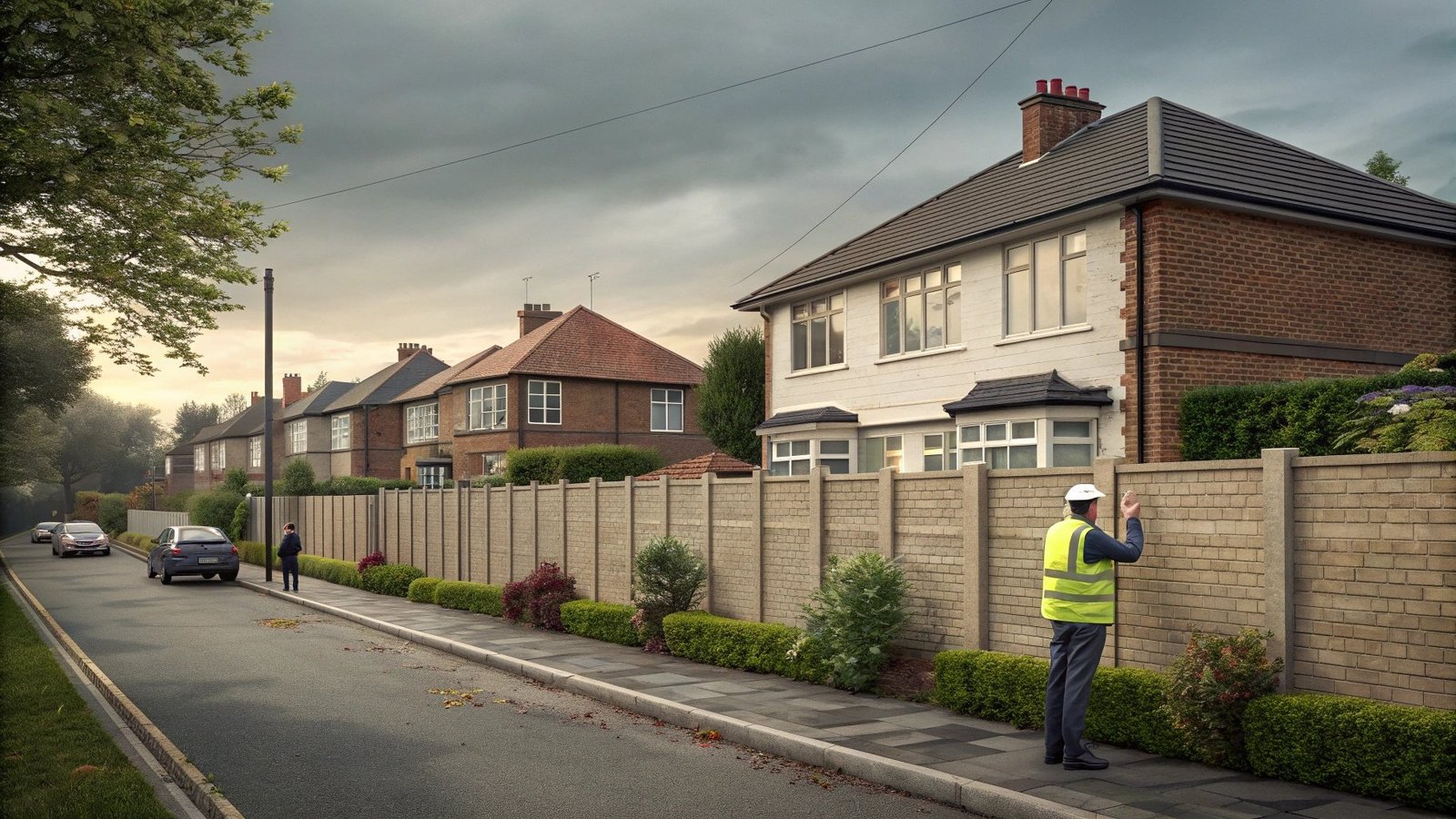
The Party Wall etc. Act 1996 affects property owners throughout England and Wales, including homeowners in Weymouth, Dorchester, and across Dorset. Whether you're planning building works that might affect neighboring properties or you've received a party wall notice from your neighbor, understanding this legislation is essential. As chartered building surveyors at Weymouth Surveyors, we regularly assist property owners with party wall matters, providing expert advice and professional surveying services.
This comprehensive guide explains what the Party Wall Act covers, when it applies, how the process works, and what property owners in Dorset need to know about party wall matters.
What is the Party Wall Act?
The Party Wall etc. Act 1996 provides a framework for preventing and resolving disputes between property owners regarding party walls, boundary walls, and excavations near neighboring buildings. The legislation aims to balance building owners' rights to carry out necessary works with adjoining owners' rights to protect their properties from damage.
Key Purposes: The Act enables building owners to carry out necessary works while providing statutory protection for adjoining owners. It establishes procedures for serving notices, appointing surveyors, and resolving disputes. Most importantly, it creates a framework for documenting property conditions before works commence, protecting both parties if disputes arise.
Who Does It Affect? The Act applies to all property owners in England and Wales, including homeowners, landlords, and commercial property owners. If you're planning certain building works in Weymouth or anywhere across Dorset, or if your neighbor is undertaking works affecting shared boundaries, the Act likely applies.
Types of Work Covered by the Act
The Party Wall Act covers three main categories of building works. Understanding which works require notices helps property owners comply with legal requirements.
Work on Existing Party Walls
Party walls are walls standing on the boundary between two properties, owned by both owners. Most commonly, these are walls between semi-detached or terraced houses. Works covered include:
- Cutting into party walls to insert beams or damp proof courses
- Raising party walls, adding additional stories, or building higher
- Demolishing and rebuilding party walls
- Underpinning party walls
- Cutting away projecting walls or foundations
- Removing chimney breasts from party walls
Throughout Weymouth and Dorset, terraced and semi-detached properties are common. Many homeowners planning loft conversions, extensions, or internal alterations discover their works require party wall notices.
Building on Boundary Lines
If you're constructing new walls on the boundary between your property and your neighbor's land, the Act applies. This includes building new boundary walls or structures positioned exactly on the property line.
However, if you build entirely on your own land, even close to the boundary, this aspect of the Act doesn't apply (though excavation provisions might).
Excavating Near Neighboring Buildings
The Act covers excavations within three or six meters of neighboring buildings, depending on depth. Specifically:
- Excavations within 3 meters of neighboring buildings going deeper than their foundations
- Excavations within 6 meters of neighboring buildings cutting a line at 45 degrees from the bottom of their foundations
These provisions commonly affect basement conversions, foundation works for extensions, and drainage installations. In Weymouth and Dorchester, where properties are often built close together, excavation works frequently trigger party wall procedures.
The Party Wall Notice Process
If your planned works fall under the Party Wall Act, you must serve formal notices on affected adjoining owners. Understanding this process helps ensure legal compliance.
Serving Notices
Who Serves Notices: Building owners (those planning works) must serve notices on adjoining owners (neighbors potentially affected). Notices must be served in writing, clearly describing proposed works, and given within specified timeframes.
Notice Periods: Different works require different notice periods:
- Party wall works: At least two months before work starts
- Excavations: At least one month before work starts
- New boundary walls: At least one month before work starts
Failing to serve notices properly or starting works without required consent can result in legal action and injunctions preventing work continuation.
Adjoining Owner Responses
After receiving party wall notices, adjoining owners have three options:
Consent: Adjoining owners can consent to works, allowing them to proceed without further formalities. However, written consent doesn't prevent them claiming compensation for damage if issues arise later.
Dissent: Adjoining owners can dissent (refuse consent), triggering the dispute resolution process. Despite the term "dissent," this isn't necessarily adversarial. It simply means formal procedures must be followed, including appointing surveyors.
No Response: If adjoining owners don't respond within 14 days, they're deemed to have dissented, automatically triggering the dispute resolution process.
The Role of Party Wall Surveyors
When disputes arise (including deemed disputes from non-response), the Act requires appointing surveyors to prepare Party Wall Awards documenting agreed arrangements for works.
Surveyor Appointment Options
Agreed Surveyor: Both parties can appoint a single "Agreed Surveyor" acting impartially for both. This is often the most cost-effective approach for straightforward works where parties have reasonable relationships.
Separate Surveyors: Each party can appoint their own surveyor. The two surveyors work together, preparing a single Party Wall Award. If they cannot agree on any aspect, they appoint a Third Surveyor to resolve differences.
Who Pays: Building owners (those carrying out works) typically pay all surveyor fees, including costs for adjoining owners' surveyors if separate surveyors are appointed. This can seem unfair to building owners but reflects the principle that those benefiting from works should bear procedural costs.
What Surveyors Do
Party wall surveyors carry out several important functions:
Condition Surveys: Before works commence, surveyors inspect adjoining properties, documenting existing conditions. These schedules of condition provide evidence of pre-work property states, essential for resolving any damage claims arising from works.
At Weymouth Surveyors, we prepare comprehensive photographic records of adjoining properties, noting all existing defects, cracks, and conditions. This protects both parties by establishing exactly what existed before works began.
Party Wall Awards: Surveyors prepare formal Party Wall Awards documenting agreed working methods, access arrangements, working hours, and dispute resolution procedures. Awards are legally binding documents governing how works proceed.
Monitoring and Inspection: Surveyors may inspect during works, ensuring compliance with Awards and identifying any emerging issues requiring attention.
Dispute Resolution: If damage occurs or disagreements arise during works, surveyors help resolve issues, potentially making determinations binding on both parties.
Common Party Wall Scenarios in Dorset
Understanding typical situations helps Dorset property owners recognize when party wall procedures apply.
Loft Conversions
Loft conversions in terraced or semi-detached properties throughout Weymouth and Dorchester commonly require party wall notices. Raising party walls to create additional headroom, cutting into party walls for steel beams, or underpinning party walls all trigger the Act.
Extensions
Side extensions built on or near boundaries, rear extensions requiring excavations close to neighbors, and extensions requiring work to party walls need party wall procedures. Even if extensions aren't touching party walls, excavation requirements may apply.
Basement Conversions
Increasingly popular in Dorset towns, basement conversions almost always require party wall notices due to excavations near neighboring foundations. The Act's excavation provisions specifically address basement works.
Removing Chimney Breasts
Many older properties in Weymouth have chimney breasts that owners wish to remove for additional space. Removing chimney breasts from party walls requires notices, as this involves cutting into party structures.
Practical Advice for Property Owners
Whether you're planning works or have received notices from neighbors, following these guidelines helps ensure smooth party wall processes.
For Building Owners Planning Works
Plan Ahead: Factor party wall procedures into project timescales. The process takes minimum 2-3 months from serving notices to starting works. Delays can occur if surveyors need to be appointed or if complex issues arise.
Communicate with Neighbors: Before serving formal notices, discuss your plans with neighbors informally. Good communication often prevents unnecessary disputes and helps maintain neighborly relationships.
Use Experienced Professionals: Appoint chartered building surveyors with party wall experience. Proper procedures and documentation prevent future problems. At Weymouth Surveyors, our experience with party wall matters throughout Dorset ensures correct procedures are followed.
Budget for Costs: Remember you'll pay surveyor fees for both parties if disputes arise. Budget £1,000-£3,000+ depending on work complexity and whether separate surveyors are appointed.
Keep Records: Maintain copies of all notices, correspondence, and agreements. These documents prove compliance if disputes arise later.
For Adjoining Owners Receiving Notices
Don't Ignore Notices: Failing to respond means you're deemed to have dissented, triggering formal procedures anyway. If you're happy with proposed works, consent makes the process simpler and faster.
Seek Professional Advice: If you have concerns about proposed works, consult chartered surveyors before responding. Understanding your rights and options helps you make informed decisions.
Don't Unreasonably Refuse: You cannot prevent neighbors carrying out reasonable works. The Act gives building owners rights to proceed with necessary building works. Unreasonable refusal simply delays inevitable works and damages neighbor relationships.
Consider Appointing Your Own Surveyor: If proposed works are extensive or you have genuine concerns, appointing your own surveyor protects your interests. Building owners pay your surveyor fees, so there's no financial disadvantage to you.
Be Reasonable: The process works best when both parties approach it reasonably. Most party wall matters resolve amicably when everyone acts in good faith.
What Happens if Things Go Wrong?
Despite best intentions, party wall disputes sometimes arise. Understanding resolution mechanisms helps property owners address problems effectively.
Damage During Works: If works cause damage to adjoining properties, building owners must make good the damage. Pre-work schedules of condition prove what existed before works, making liability clear.
Surveyor Determinations: Party wall surveyors can make binding determinations on disputes arising from works. Their decisions can be appealed but only on limited grounds.
Legal Action: As a last resort, disputes can be taken to court. However, this is expensive and time-consuming. The party wall procedures exist precisely to avoid litigation.
Party Wall Act: Common Misconceptions
Several myths about the Party Wall Act cause confusion for property owners in Weymouth and across Dorset.
Myth: Neighbors can prevent your building works.
Reality: The Act gives you rights to carry out reasonable works. Neighbors cannot unreasonably prevent necessary building projects.
Myth: Party wall notices are only needed for major works.
Reality: Even relatively minor works like removing chimney breasts or installing loft beams may require notices.
Myth: If neighbors consent, no further action is needed.
Reality: While consent simplifies matters, documenting pre-work conditions remains advisable to protect against future damage claims.
Myth: Party wall procedures are adversarial.
Reality: Most party wall matters resolve amicably. The procedures exist to protect both parties' interests, not to create conflict.
Conclusion
The Party Wall etc. Act 1996 provides important protections for property owners undertaking building works and their neighbors potentially affected by those works. While procedures might seem bureaucratic, they prevent disputes and provide clear frameworks for resolving disagreements when they arise.
For property owners in Weymouth, Dorchester, and throughout Dorset planning building works or receiving party wall notices from neighbors, professional advice from experienced chartered surveyors ensures proper compliance and protects your interests.
At Weymouth Surveyors, we provide comprehensive party wall services including advice on whether notices are required, preparing and serving notices, acting as party wall surveyors, preparing schedules of condition, and resolving disputes. Our local knowledge and professional expertise ensure party wall matters proceed smoothly while protecting your property interests.
If you're planning building works that might require party wall procedures, or if you've received a party wall notice from your neighbor, contact our team for expert advice on party wall matters across Dorset.
Need Party Wall Advice in Dorset?
Get expert guidance from chartered surveyors specializing in party wall matters
Contact Our Team