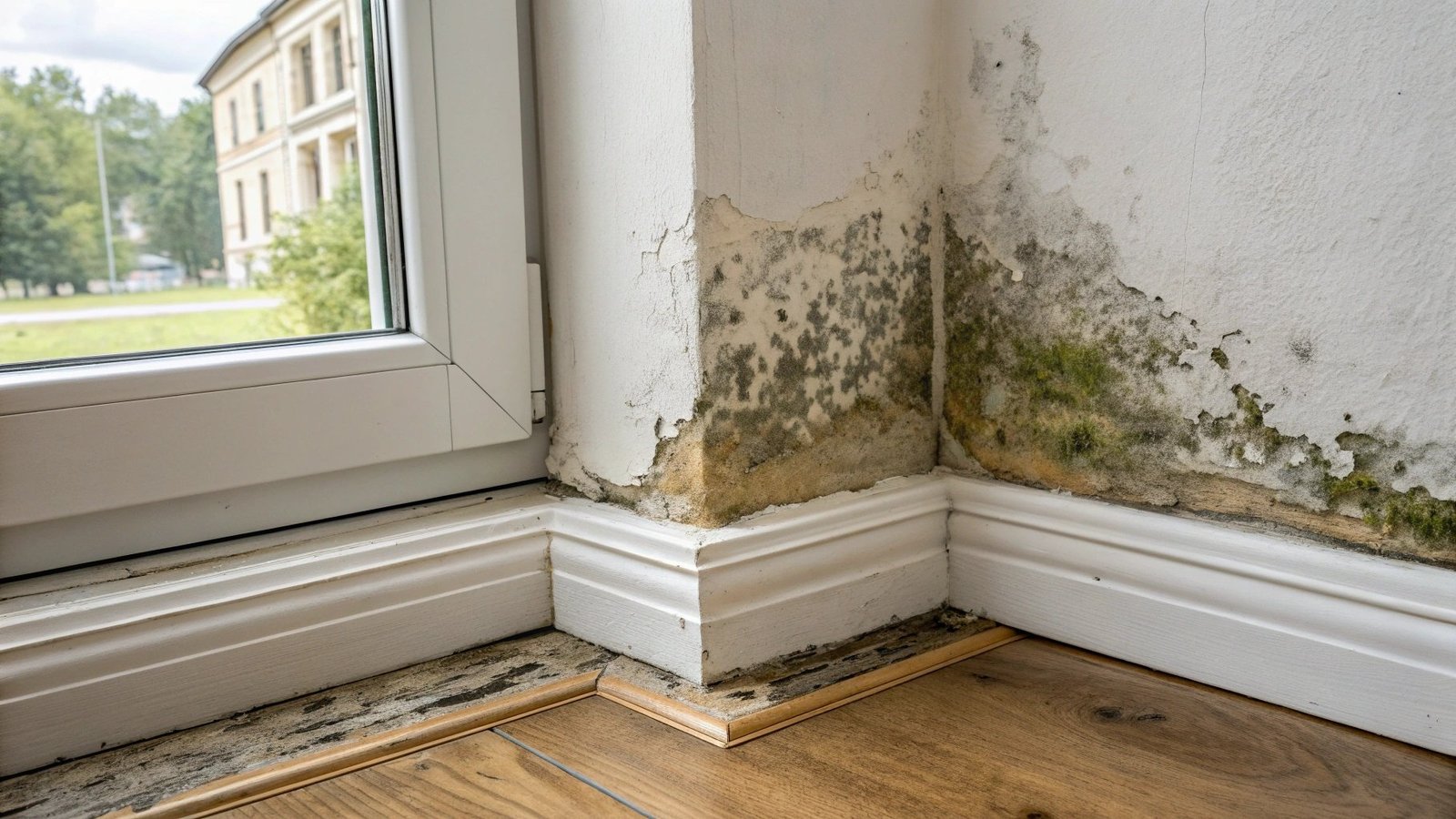
Damp is one of the most common and concerning issues we encounter during property surveys in Weymouth, Dorchester, and throughout Dorset. As RICS chartered surveyors with extensive knowledge of local properties, we've inspected thousands of homes affected by various types of damp. Understanding these issues is crucial whether you're buying a property along the beautiful Jurassic Coast, in central Weymouth, or anywhere across Dorset.
Living in coastal Dorset brings many benefits, but the proximity to the sea, higher rainfall, and older building construction methods mean damp problems are particularly prevalent. This comprehensive guide will help you understand the different types of damp, how to identify them, and what action to take.
Why Damp is So Common in Dorset Properties
Before diving into specific damp types, it's important to understand why properties in Weymouth and surrounding areas are particularly susceptible to moisture problems. The region's climate, building stock, and geographical location all contribute to increased damp risks.
Coastal Climate: Properties near Weymouth Beach and along the Jurassic Coast face constant exposure to salt-laden air and wind-driven rain. This moisture-rich environment creates challenging conditions for building materials. Salt weathering accelerates deterioration of mortar and masonry, creating pathways for water penetration.
Our team of Weymouth Surveyors regularly see properties where coastal exposure has caused render failure, pointing deterioration, and damaged flashings, all providing opportunities for water ingress. Properties on exposed hillsides face particularly severe weather conditions.
Period Building Stock: Dorset has a rich architectural heritage. Many properties in Weymouth, Dorchester, and surrounding villages date from Georgian, Victorian, and Edwardian eras. These period buildings were constructed using traditional methods and materials designed to "breathe" rather than using modern damp-proof membranes.
When well-maintained, traditional buildings manage moisture effectively through natural evaporation. However, inappropriate repairs using modern cement-based materials, or failure to maintain proper ventilation, can trap moisture within walls and cause serious damp problems.
High Water Table: Parts of Weymouth and surrounding Dorset areas have relatively high water tables. Ground water levels can fluctuate seasonally, particularly after periods of heavy rain. Properties without adequate damp-proof courses or with failed tanking systems in basements can experience rising damp or water ingress through floors.
Types of Damp in Dorset Properties
During our building surveys across Weymouth and Dorset, we identify three main categories of damp. Understanding which type affects a property is crucial for determining appropriate remedial action.
Rising Damp
Rising damp occurs when ground moisture rises through porous building materials by capillary action. Historically, most properties built before 1875 had no damp-proof course (DPC). Later buildings included physical barriers of slate, bitumen, or other impermeable materials installed at floor level to prevent moisture rise.
When conducting Level 3 building surveys in Weymouth, we regularly encounter rising damp in properties where:
- No original DPC was installed
- The DPC has failed or been bridged by raised ground levels
- Modern cement renders have been applied to traditionally built walls
- Internal floors have been raised above the DPC level
- Cavity walls have become blocked with debris
Identifying Rising Damp: Our chartered building surveyors use moisture meters during property inspections to detect elevated moisture levels. Rising damp typically affects the lower sections of walls, generally not exceeding one meter in height. You might notice:
- Tide marks on walls at approximately the same level around the property
- Damp patches with visible salt staining (hygroscopic salts)
- Deteriorating plaster at low level
- Rotting skirting boards and floor timbers
- Musty smells, particularly in unventilated rooms
- Peeling wallpaper and paint at low level
In Dorset's coastal properties, rising damp often appears worse because salt from ground moisture remains in walls even after water evaporates. These hygroscopic salts continue absorbing atmospheric moisture, creating ongoing dampness problems.
Treatment Options: Remedial work for rising damp varies depending on construction type and severity. Options include:
Chemical DPC Injection: The most common treatment involves injecting chemical damp-proof course fluid into holes drilled into mortar beds. This creates a barrier preventing moisture rise. However, this isn't always appropriate for traditionally built properties where walls need to breathe.
Physical DPC Installation: In some properties, installing a physical DPC by cutting into walls and inserting an impermeable membrane provides a permanent solution. This specialist work requires careful execution to avoid structural damage.
Managing Ground Levels: Sometimes, simply lowering external ground levels below the DPC and improving drainage resolves rising damp. Our surveyors often recommend this as a first step before more invasive treatments.
Penetrating Damp
Penetrating damp occurs when water enters through walls, roofs, or windows due to defects in the building fabric. Unlike rising damp which affects lower wall areas, penetrating damp can appear anywhere depending on the water source.
Weymouth Surveyors provide comprehensive building surveys that identify penetrating damp causes. Common sources in Dorset properties include:
Roof Defects: Failed roof coverings, damaged flashings, and blocked gutters allow water ingress. Properties along the Jurassic Coast face particular challenges from wind-driven rain working under tiles or slates. During our surveys, we carefully inspect roofs from ground level with binoculars and access loft spaces to check for water staining on timbers.
Wall Issues: Cracked render, defective pointing, failed wall ties in cavity walls, or blocked cavity drainage all permit water penetration. Older properties in Weymouth and Dorchester often have solid walls (no cavity) making them more susceptible to penetration during heavy rain.
Window and Door Defects: Failed seals around window frames, rotten timber frames, or inadequate drip details above openings allow water entry. This commonly affects period properties where original timber windows have deteriorated or been poorly replaced.
Plumbing Leaks: Internal plumbing failures, including leaking pipes, faulty shower trays, or damaged bathroom seals cause localized dampness that can be mistaken for other damp types.
Identifying Penetrating Damp: During property surveys in Dorset, we look for specific patterns that indicate penetrating damp:
- Damp patches appearing after rainfall
- Staining on walls at any height, not just low level
- Dampness on upper floors or around chimneys
- Localized areas of dampness rather than continuous bands
- Mould growth in specific areas
- Water staining on ceilings or around windows
Our surveyors use moisture meters to measure readings across affected areas, helping identify water entry points. The pattern of moisture distribution often reveals the source.
Treatment Solutions: Remedying penetrating damp requires identifying and repairing the source of water entry. Our survey reports provide comprehensive recommendations including:
- Roof repairs including replacing damaged tiles, repointing ridge tiles, and renewing flashings
- Repointing brickwork and repairing render where necessary
- Clearing gutters and repairing or replacing defective rainwater goods
- Making good defective seals around windows and doors
- Improving wall ties and cavity drainage in cavity wall construction
For properties throughout Weymouth and Dorset, we emphasize prevention through regular maintenance. Annual gutter clearing, prompt repair of minor defects, and periodic repointing prevent small issues becoming major damp problems.
Condensation
Condensation is often the most misdiagnosed damp type. It occurs when warm, moisture-laden air contacts cold surfaces, causing water vapor to condense. This is particularly common in properties with inadequate heating, poor ventilation, or insufficient insulation.
Modern lifestyles produce significant moisture. Cooking, bathing, washing, and even breathing release water vapor into air. In older Dorset properties with traditional construction, this moisture would naturally escape through permeable walls and gaps in the building fabric. However, improvements like double glazing and draught-proofing, while beneficial for energy efficiency, can trap moisture if ventilation isn't adequate.
Common Condensation Problems: Our chartered surveyors regularly encounter condensation issues during home surveys in Weymouth, particularly in:
- Bathrooms with inadequate extraction
- Kitchens without proper ventilation
- Bedrooms, especially when occupied by multiple people
- Properties with single-glazed windows creating cold spots
- Unheated rooms or cupboards against external walls
- Properties that have been empty or underheated
Identifying Condensation: During building surveys, we differentiate condensation from other damp types by considering:
- Mould growth in corners and areas of restricted air circulation
- Beads of water on windows and tiles
- Damp appearing seasonally (worse in winter)
- Musty smells in rooms
- Moisture meter readings that aren't consistent with rising or penetrating damp patterns
- Worst dampness in rooms producing most moisture (bathrooms, kitchens)
Solutions for Condensation: Resolving condensation problems requires a combination of approaches:
Improving Ventilation: Install or upgrade extractor fans in bathrooms and kitchens. Ensure adequate background ventilation through trickle vents in windows. Open windows regularly to allow moisture escape, even during winter.
Adequate Heating: Maintain consistent heating throughout properties rather than heating individual rooms intermittently. This keeps surface temperatures above dew point, reducing condensation risk.
Insulation: Improving insulation reduces cold spots where condensation occurs. However, in traditionally built properties, this must be carefully balanced against the building's need to breathe.
Lifestyle Changes: Simple measures like covering pans while cooking, keeping bathroom doors closed, drying washing outside where possible, and avoiding paraffin heaters all reduce moisture production.
Special Considerations for Dorset Properties
Properties throughout Weymouth, Dorchester, and across Dorset face unique challenges that affect damp management. As local surveyors with extensive knowledge of the area, we consider these factors during every survey.
Salt Weathering: Coastal properties near Weymouth Beach and along the Jurassic Coast suffer accelerated deterioration from salt weathering. Salt crystals forming within masonry and render cause spalling and create pathways for water ingress. This requires specialist treatment and regular maintenance.
Traditional Construction: Many Dorset properties use local stone, cob, or traditional brick and lime construction. These materials need to breathe. Applying modern impermeable renders, cement repointing, or chemical DPCs can trap moisture, causing more problems than they solve. Our surveyors provide advice appropriate to building type.
Listed Buildings: Weymouth and surrounding areas contain many listed buildings requiring special consideration for damp treatment. Any remedial works must respect the building's character while effectively managing moisture. We work with conservation principles when surveying period properties.
Professional Survey Recommendations
If you're buying a property in Weymouth or Dorset, professional damp assessment through a comprehensive building survey is essential. Our RICS chartered surveyors use calibrated moisture meters, thermal imaging where appropriate, and decades of experience to accurately diagnose damp problems.
We differentiate between damp types, identify underlying causes, and provide realistic cost estimates for remedial works. This information helps you make informed purchase decisions, negotiate prices where necessary, or plan future maintenance budgets.
For properties showing signs of damp, we recommend Level 3 building surveys providing detailed analysis rather than basic homebuyer reports. The comprehensive investigation justifies the additional cost by potentially saving thousands in unexpected repairs.
Conclusion
Damp problems in Dorset properties are common but manageable with proper understanding and appropriate action. Whether dealing with rising damp in period buildings, penetrating damp from coastal exposure, or condensation from modern living, identifying the correct damp type is crucial for effective treatment.
As Weymouth Surveyors, we provide comprehensive property surveys identifying all forms of dampness and recommending appropriate remedial action. Our local knowledge and chartered surveyor expertise ensure you receive accurate, impartial advice protecting your property investment.
If you're concerned about damp in a property you're considering buying, or need professional assessment of an existing property, contact our team for expert surveying services across Weymouth, Dorset, and surrounding areas.
Professional Damp Assessment in Weymouth
Get expert damp identification and advice from our RICS chartered surveyors across Dorset
Book Your Survey